

TMJ & TMD Treatment
TMJ and TMD affect the temporomandibular joint, causing jaw pain, clicking, limited movement, and chronic discomfort that impacts daily life. At Greenwich Oral Surgery, our oral surgeons provide effective treatment through both conservative and surgical approaches, developing personalized plans to restore function and relieve your symptoms in our modern surgical facility.
What is TMJ?
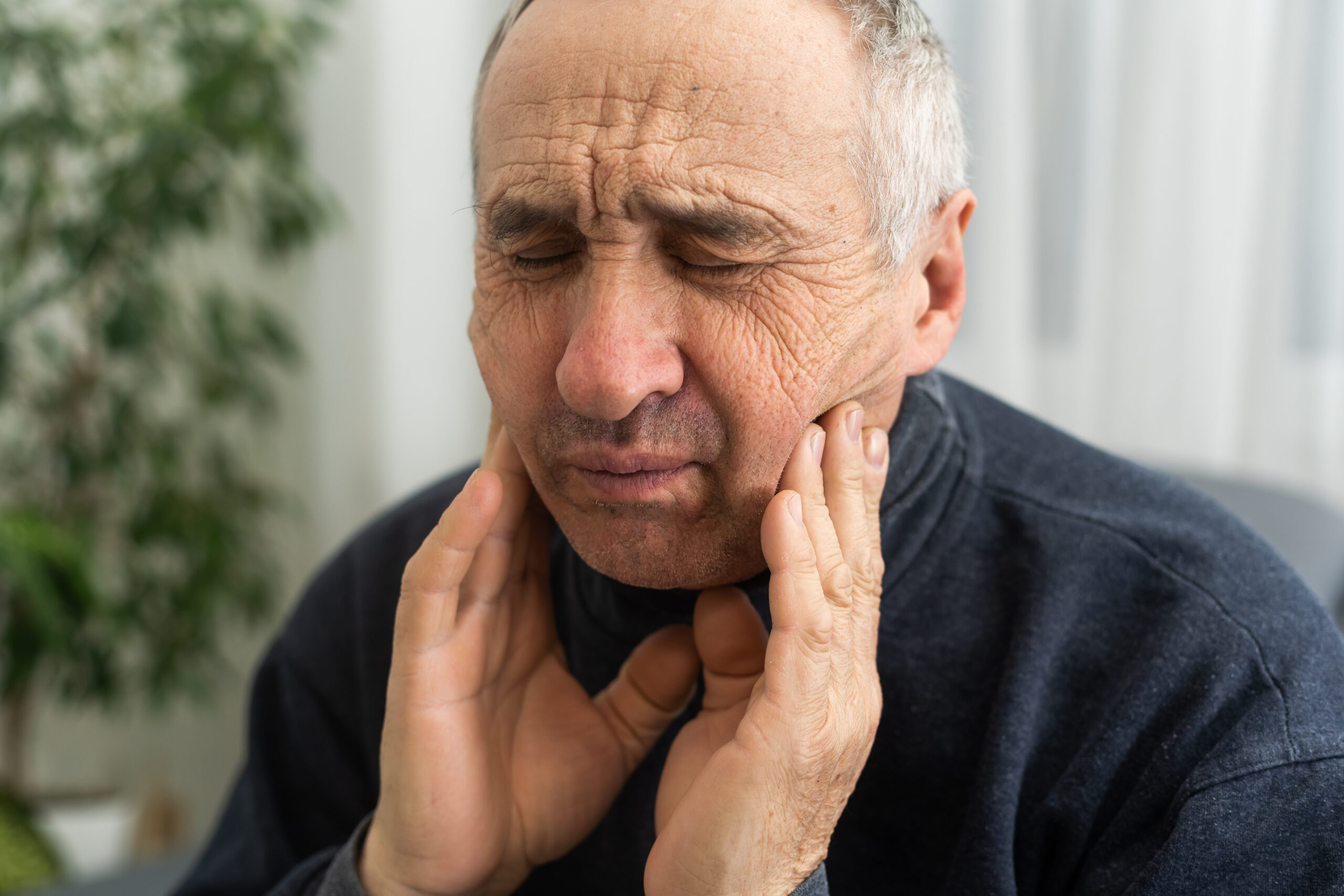
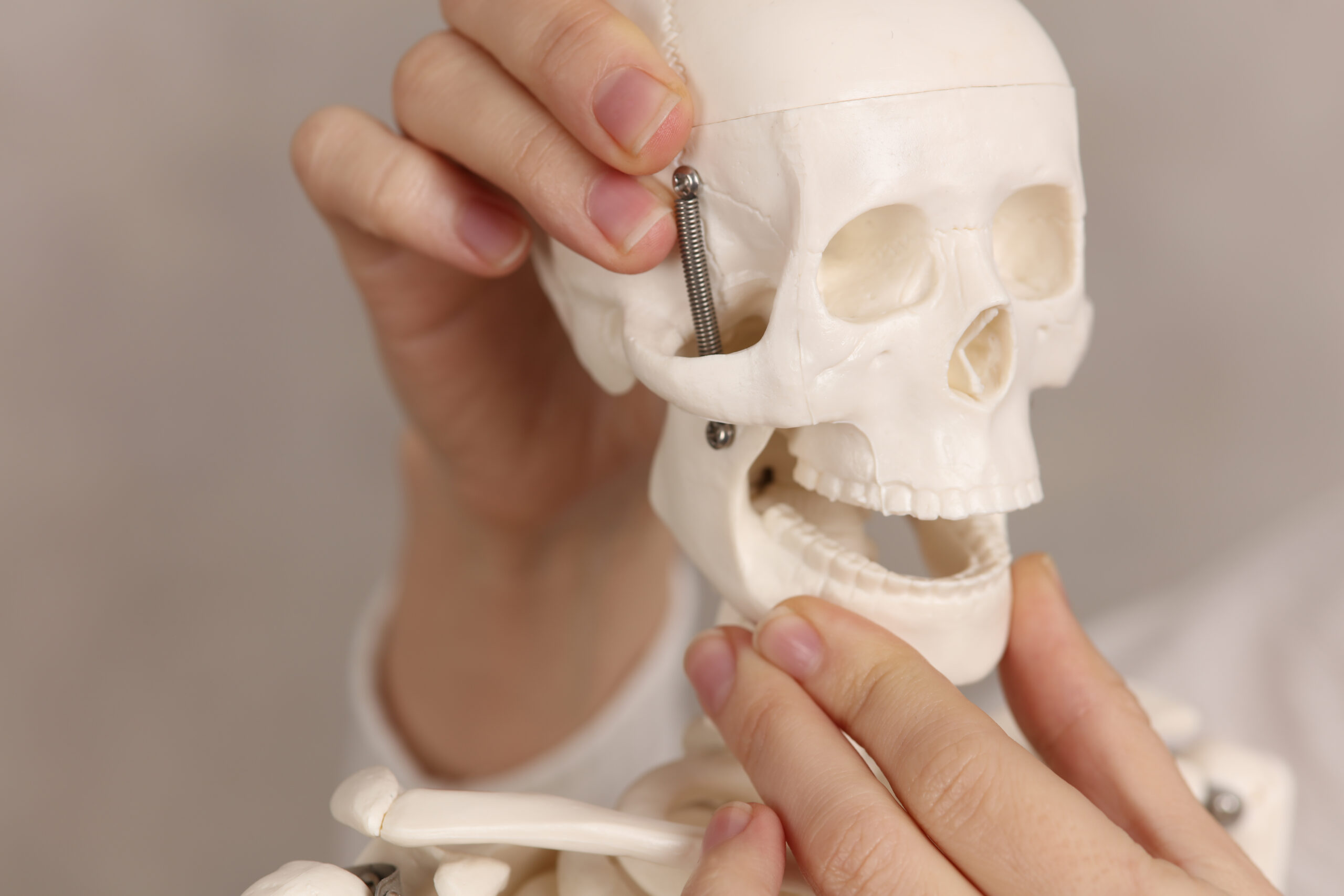
Temporomandibular joint disorders affect millions of people, causing chronic pain, limited jaw movement, and diminished quality of life. Our board-certified oral and maxillofacial surgeons provide comprehensive TMJ and TMD treatment for patients throughout Greenwich, Westchester County, and the tri-state area. When conservative treatments fail to provide relief, our advanced surgical training enables us to offer effective solutions for even the most complex temporomandibular joint conditions. The temporomandibular joint connects your lower jaw to your skull, functioning as a complex hinge allowing movement for speaking, chewing, and yawning. TMD encompasses various conditions affecting this joint and surrounding muscles. Common symptoms include persistent jaw pain or tenderness, clicking or popping sounds during jaw movement, difficulty opening or closing the mouth completely, pain radiating to the face, neck, or shoulders, and frequent headaches or earaches. Most cases respond well to conservative treatments such as physical therapy, custom oral appliances or night guards, anti-inflammatory medications, muscle relaxants, and stress management before any surgical intervention is considered.
Advanced Diagnostic Technology
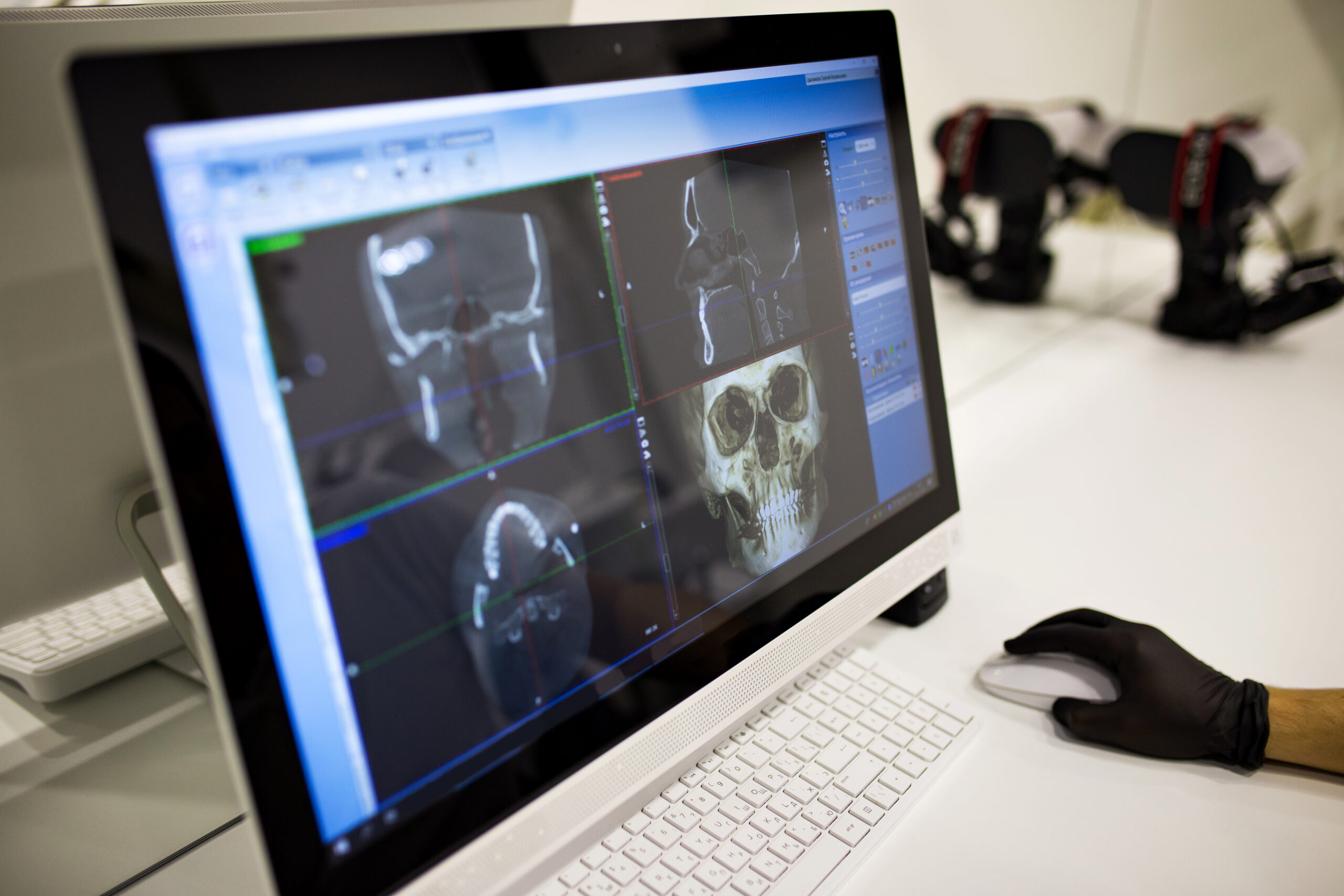
Accurate TMJ diagnosis requires sophisticated imaging and clinical evaluation. Our practice utilizes 3D cone beam CT scanning to visualize joint structures, bone positioning, and potential abnormalities with unprecedented detail, revealing conditions impossible to detect with traditional dental X-rays. Comprehensive clinical examination assesses jaw movement patterns, muscle tenderness, joint sounds, and bite relationships. We analyze how your teeth fit together, as malocclusion frequently contributes to TMJ disorders, and a detailed medical history review identifies trauma, arthritis, or other systemic conditions affecting joint function.
Surgical Treatment Options
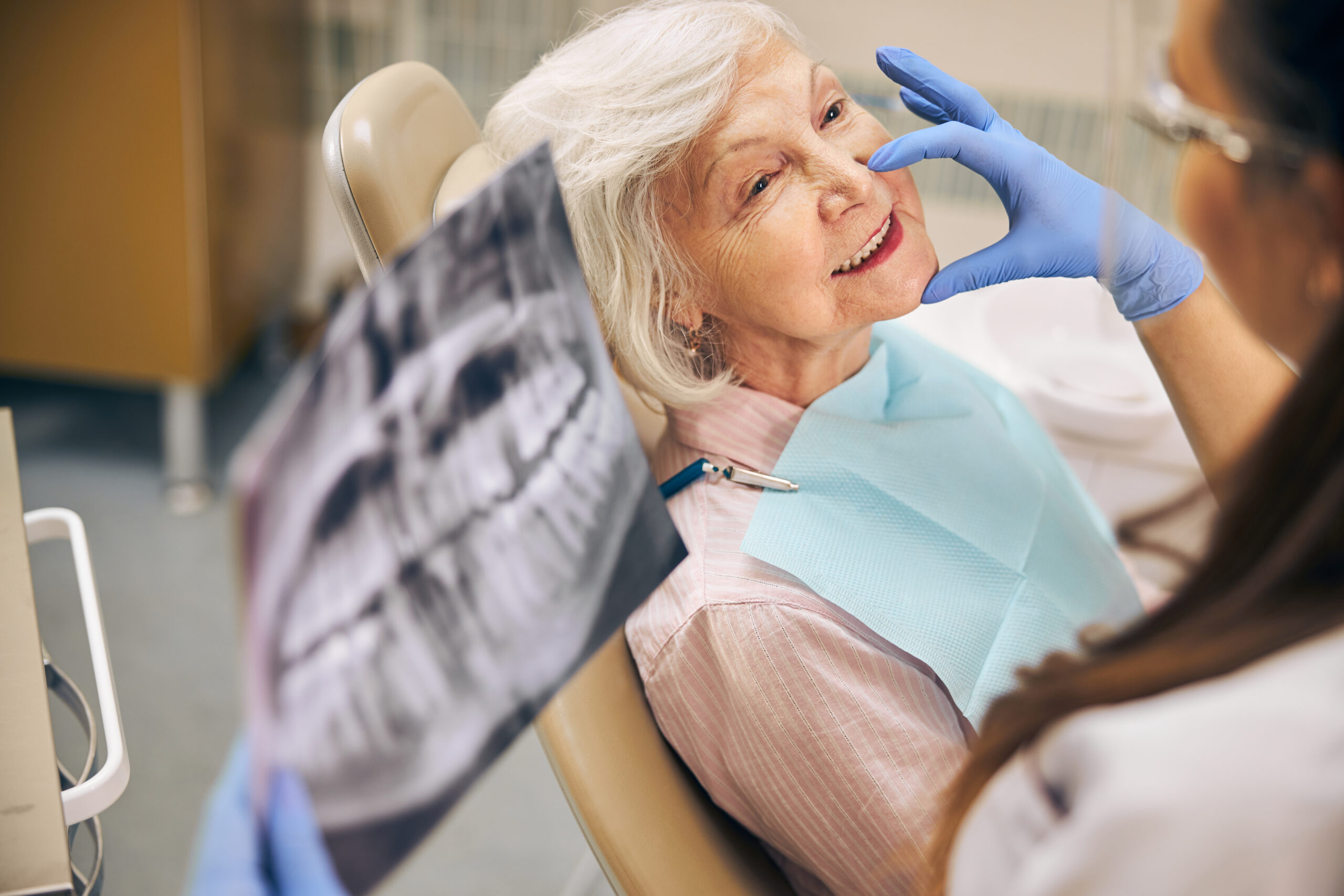
When conservative treatments provide inadequate relief, surgical intervention may become necessary. Our surgeons offer several approaches depending on your specific condition. Arthrocentesis involves minimally invasive joint lavage removing inflammatory byproducts and improving joint mobility. Arthroscopy utilizes small incisions and camera guidance to visualize and treat internal joint problems with minimal tissue disruption. Disc repositioning surgery addresses displaced articular discs preventing normal joint function. Joint replacement becomes necessary for severe arthritis or structural damage, utilizing prosthetic joints to restore function and eliminate pain. Our hospital-based surgical training prepares us to perform these complex procedures safely and effectively.
The Connection Between TMJ and Orthognathic Surgery
Many TMJ disorders stem from underlying jaw misalignment or structural abnormalities. Corrective jaw surgery, known as orthognathic surgery, addresses these fundamental problems by repositioning jaws into proper alignment. This comprehensive approach treats TMJ symptoms while correcting the structural causes contributing to joint dysfunction. Patients requiring both TMJ treatment and jaw realignment benefit from our specialized training in orthognathic surgery. We evaluate whether correcting jaw position might eliminate or reduce your TMJ symptoms, potentially avoiding isolated TMJ surgery.
Contact the office nearest you for a TMJ/TMD evaluation.
Comprehensive TMJ & TMD Treatment
TMJ and TMD disorders affect the temporomandibular joints connecting your jaw to your skull, causing pain, limited movement, and difficulty with everyday activities like eating and speaking. Our board-certified oral surgeons provide comprehensive evaluation and treatment, from conservative management to advanced surgical interventions, using advanced diagnostic imaging and evidence-based protocols to address the underlying causes of TMJ dysfunction.
Advanced Diagnostic Technology
Accurate TMJ diagnosis requires comprehensive evaluation beyond basic examination. We utilize 3D cone beam CT imaging to visualize joint structures, bone changes, and disc position in detail, revealing degenerative changes and structural abnormalities that standard X-rays cannot detect. Clinical examination assesses jaw movement range, joint sounds, bite alignment, and muscle tenderness, ensuring we identify the specific cause of your symptoms and deliver targeted treatment.
Conservative to Surgical Treatment Options
TMJ treatment begins with conservative approaches including medications, physical therapy, custom oral appliances, and lifestyle modifications, and many patients achieve significant relief without surgery. When conservative treatment fails after several months, surgical options may be appropriate, from arthrocentesis and arthroscopic surgery to open joint surgery that reconstructs severely damaged joints or repositions displaced discs. Our surgeons have extensive experience across all TMJ treatment approaches.
Specialized TMJ Expertise
TMJ disorders require specialized knowledge beyond general oral surgery training. Our surgeons completed comprehensive TMJ training during their hospital-based residencies and maintain expertise through continuing education in the latest treatment protocols. Having successfully treated hundreds of TMJ patients, from straightforward cases to complex joint reconstruction, this depth of experience ensures you receive accurate diagnosis and effective treatment tailored to your specific condition.
Schedule Your TMJ Consultation
If you suffer from TMJ or TMD symptoms, Greenwich Oral Surgery offers the advanced care you need. Our board-certified surgeons serving Greenwich, Westchester County, and the tri-state area provide comprehensive evaluation and treatment for all temporomandibular joint disorders. Contact our office today to schedule your consultation and begin your journey toward lasting relief from jaw pain and dysfunction.

Frequently Asked Questions
TMJ disorders can significantly impact your quality of life, causing chronic pain and limiting daily activities. Understanding your symptoms, treatment options, and what to expect helps you make informed decisions about your TMJ care.
What Are the Symptoms of TMJ Disorders?
Common TMJ symptoms include pain or tenderness in the jaw joint, temples, or muscles around the jaw. Many patients experience clicking, popping, or grinding sounds when opening or closing their mouth. Difficulty opening your mouth fully, jaw locking in open or closed positions, and pain while chewing are frequent complaints. TMJ disorders can also cause headaches, earaches, neck pain, and facial pain that radiates from the jaw, and some patients notice their bite feels misaligned. If you experience persistent jaw pain lasting more than a few weeks, progressive worsening of symptoms, or severe movement restriction, professional evaluation is recommended.
What Causes TMJ Disorders?
TMJ disorders have multiple potential causes, often involving a combination of factors. Trauma from accidents or injuries can damage the joint structures, and arthritis affects the temporomandibular joint just as it affects other joints in the body. Chronic teeth grinding or clenching (bruxism) places excessive stress on the joint. Bite misalignment from missing teeth, poorly fitting dental work, or jaw structure problems contributes to dysfunction, as does disc displacement within the joint and stress-related muscle tension. Our comprehensive evaluation identifies the specific factors causing your symptoms, allowing targeted treatment that addresses the root cause.
Do I Need Surgery for TMJ Disorder?
Most TMJ disorders respond well to conservative treatment without requiring surgery. Initial approaches include anti-inflammatory medications, muscle relaxants, custom oral appliances worn at night, physical therapy, stress management, and lifestyle modifications like avoiding hard or chewy foods. Many patients achieve significant relief within several months. Surgery becomes appropriate when conservative approaches fail to provide adequate improvement after consistent use for 4-6 months, or when structural damage requires surgical correction. Our surgeons exhaust conservative options before recommending surgery and provide honest assessments about whether surgical intervention is necessary for your condition.
What Is Recovery Like After TMJ Surgery?
Recovery varies based on the surgical procedure performed. Minimally invasive procedures like arthrocentesis require minimal recovery, often just days before resuming normal activities. Arthroscopic surgery typically involves one to two weeks of modified activity with soft diet restrictions, while open joint surgery demands longer recovery periods, potentially several weeks before returning to full function. Initial recovery includes managing swelling and discomfort with prescribed medications, following a soft or liquid diet, and avoiding strenuous jaw movements. Physical therapy plays a crucial role in restoring normal jaw movement and preventing stiffness. Most patients experience significant pain reduction and improved function within weeks, with continued improvement over several months.
New Patients Welcome! Reserve Your Spot Today!
Our Locations
We're proud to serve patients throughout the tri-state area with multiple convenient locations across Connecticut and New York. Our flagship practice in Greenwich, Connecticut features brand-new, state-of-the-art surgical suites. We also maintain offices in Darien and Westport, Connecticut, and Purchase, New York, ensuring accessible, premium oral and maxillofacial surgery services for patients throughout Fairfield and Westchester Counties.
-

Greenwich
-
Westchester

-

Darien
-
Westport